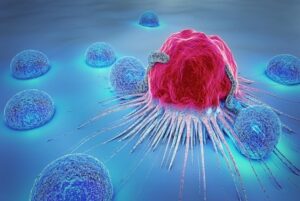
Cancer is a disease in which some of the body’s cells grow uncontrollably and spread to other parts. Cancer can start almost anywhere in the human body, which is made up of trillions of cells. Normally, human cells grow and multiply through cell division as needed to form new cells. When cells become old or damaged, they die, and new cells replace them. Sometimes, this orderly process breaks down, causing abnormal or damaged cells to grow and multiply when they shouldn’t. These cells may form tumors, which are lumps of tissue. Tumors can be either cancerous or benign.
Understanding the color treatment system is essential and straightforward, as it guides you through your treatment journey. Each disease has a unique code that includes the treatment color and duration. This system helps you quickly identify your specific cancer treatment options, empowering you to take charge of your health.
Scroll down the site to find your disease. Then, look for the treatment color. The treatment colors are magenta (a red-blue mix), blue, cyan (a blue-green mix), green, yellow (a red-green mix), and red. I assign a number to each treatment color: magenta = 0, blue = 1, cyan = 2, green = 3, yellow = 4, and red = 5. For example, Amyloidosis would be categorized as 03-00-1-4. Here, the second-to-last digit is the treatment color (1 = blue). The last digit indicates the treatment duration in months (4 = four months). The first two digits represent the disease or condition group (Cancer (Tumors) = 03). The next two digits (Amyloidosis = 00) specify the illness within that group.
This system helps you quickly identify treatment options tailored to your specific disease. Treatment duration is necessary to support new cell growth in the affected organ. The minimum number of treatment sessions per week is three. I recommend using the treatment daily.
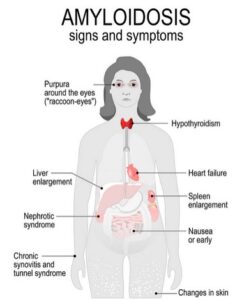
Amyloidosis is a rare and severe condition caused by the accumulation of an abnormal protein called amyloid in various organs and tissues throughout the body. The buildup of amyloid deposits can impair organ and tissue function. Amyloidosis can occur as an isolated disease, known as primary amyloidosis, or as a result of another illness, referred to as secondary amyloidosis.
Signs and symptoms of amyloidosis vary widely and depend on the specific locations of abnormal protein deposits in the body, which can affect many organs. Symptoms may include abdominal pain, foot or hand pain, fatigue, nervous system dysfunction, pins-and-needles sensation, or decreased touch sensitivity. It can also lead to an enlarged heart, irregular heart rhythms, and shortness of breath.
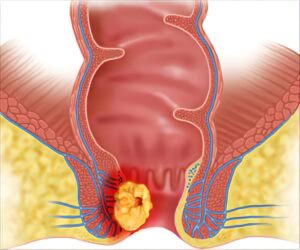
Anal cancer arises in the anus, the end of the intestinal tract where stool (feces) exits the body. It can begin in the lining of the anus or in the surrounding skin. Anal cancer differs from colon or rectal cancer, which occur in other parts of the large intestine. Risk factors for anal cancer include infection with certain types of human papillomaviruses (HPV), cigarette smoking, having many sexual partners, and a weakened immune system.
Symptoms and signs of anal cancer include a hard lump or mass near the anus, anal discharge or bleeding, and changes in bowel habits. Other associated signs and symptoms may include pain during defecation, itching in the anal area, and a sensation of pressure or a foreign-body sensation in the area.
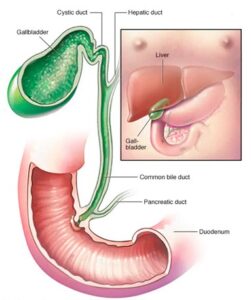
Bile duct cancer is a malignancy that arises from the cells lining the bile duct, the drainage system for the liver. Medically, it is known as cholangiocarcinoma. It is a rare, slow-growing cancer that becomes more common with age.
Signs and symptoms of bile duct cancer may not be apparent in the early stages. In later stages, associated symptoms can include jaundice (yellowing of the skin and the whites of the eyes), abdominal pain, weight loss, and itching. Other signs and symptoms may include dark urine, bloating, fever, and abdominal tenderness.
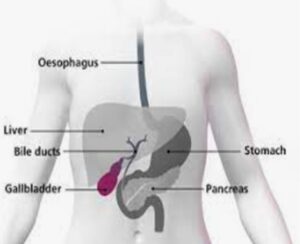
Cholangiocarcinoma is a type of cancer that arises in the slender bile ducts that carry the digestive fluid bile. Bile ducts connect the liver to the gallbladder and the small intestine.
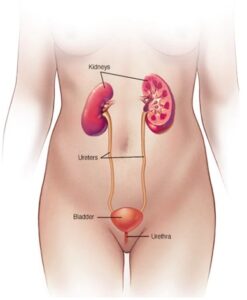
Bladder cancer is a common type of cancer that begins in the bladder’s cells. The bladder is a hollow, muscular organ in the lower abdomen that stores urine. Bladder cancer most often starts in the urothelial cells that line the inside of the bladder. These cells are also present in the kidneys and in the tubes, called ureters, that connect the kidneys to the bladder. Although urothelial cancer can occur in the kidneys and ureters, it is much more prevalent in the bladder.
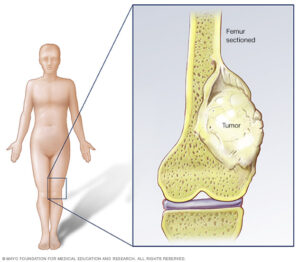
Bone cancer can arise in any bone in the body, but it most commonly affects the pelvis and the long bones of the arms and legs. Bone cancer is rare, accounting for less than one percent of all cancers. Some types of bone cancer primarily occur in children, while others mainly affect adults.
Bone cancer is a malignancy that arises from the cells that form bone. Primary bone cancer is distinct from cancers that originate elsewhere in the body and spread to the bone. Tumors that arise elsewhere and spread to the bone are called metastatic tumors.
Bone cancer may not cause any signs or symptoms in some cases, and when symptoms do occur, they tend to develop slowly. Specific symptoms depend on the tumor’s type, location, and size. Other associated symptoms can include a lump on the bone that can be felt through the skin, joint pain, fractures, limping, swelling, and weight loss.
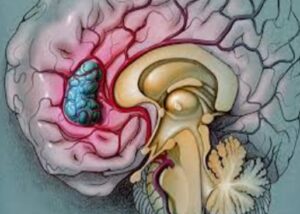
Brain cancer is the abnormal growth of cells in the brain. Many types of brain cancer exist, some of which are noncancerous (benign) and others cancerous (malignant). Brain cancer can begin in the brain (primary) or originate elsewhere in the body and spread to the brain as secondary (metastatic) brain cancer.
The rate of growth of a brain tumor can vary greatly, and both the growth rate and the location of the brain cancer influence how it affects the function of your nervous system.
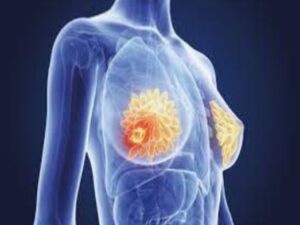
Breast cancer is a type of cancer that develops in the cells of the breasts. After skin cancer, it is the most commonly diagnosed cancer in women in the United States. Although breast cancer can occur in both men and women, it is significantly more prevalent in women.
Substantial support for breast cancer awareness and research funding has led to advances in diagnosis and treatment. As a result, breast cancer survival rates have increased. Additionally, the number of deaths associated with this disease is steadily declining, mainly due to earlier detection, personalized treatment approaches, and a better understanding of the disease.
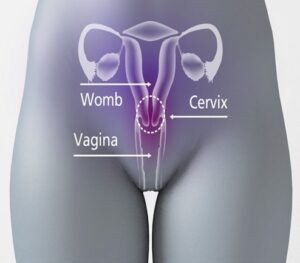
Cervical cancer is cancer that develops anywhere in the cervix. The cervix is the opening between the vagina and the uterus (womb). As part of the reproductive system, it is sometimes called the neck of the womb. Nearly all cervical cancers are caused by infection with certain types of human papillomavirus (HPV). Attending cervical screenings can often prevent cervical cancer by detecting and treating abnormalities before they develop into cancer.
Cervical cancer typically grows very slowly. Its seriousness depends on how far it has spread and on your overall health.
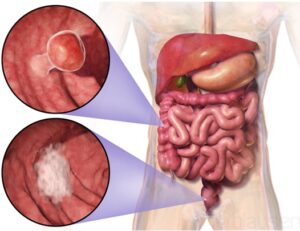
Colon cancer begins in the large intestine (colon), the final part of the digestive tract. It typically affects older adults, though it can occur at any age. Colon cancer usually starts as small, noncancerous (benign) polyp clumps that form inside the colon. Over time, some of these polyps can develop into colon cancers. Polyps may be small and produce few, if any, symptoms.
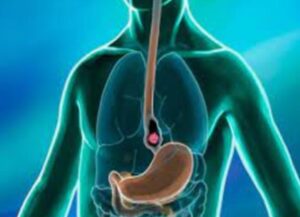
Esophageal cancer is a disease in which the cells lining the esophagus undergo changes or mutations and become malignant. These cells grow uncontrollably and form a mass or tumor. There are two main types of esophageal cancer:
Esophageal squamous cell carcinoma arises from squamous cells and typically develops in the middle third of the esophagus. Squamous cells are thin, flat cells that line the inner surface of the entire esophagus, and this type of cancer can occur anywhere in the esophagus. However, most cases are found in the upper half.
Adenocarcinoma of the esophagus affects the lower third of the esophagus. This type of cancer arises from epithelial cells in that area. Adenocarcinoma of the gastroesophageal junction (GEJ or GE junction, the specific part of the esophagus where it meets the stomach) is a subset of esophageal cancers.
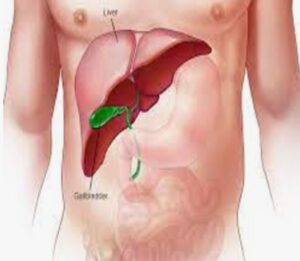
Gallbladder cancer is an abnormal growth of cells that originates in the gallbladder. Your gallbladder is a small, pear-shaped organ located on the right side of your abdomen, just beneath your liver.
The gallbladder stores bile, a digestive fluid produced by your liver. Gallbladder cancer is uncommon. It may go undetected until it is advanced because it often causes no specific signs or symptoms. Moreover, the gallbladder’s hidden location allows cancer to grow without being noticed.
The exact cause of gallbladder cancer remains unclear. However, it is more likely to occur in older adults and in those with gallstones. It is also about twice as common in women as in men.
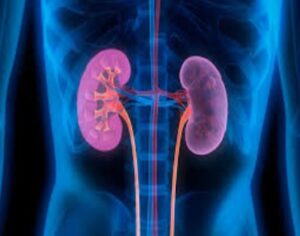
Kidney cancer begins in the kidneys, two bean-shaped organs about the size of your fist, located behind your abdominal organs, with one kidney on each side of your spine. In adults, renal cell carcinoma is the most common type of kidney cancer, although other, less common types can also occur. Young children are more likely to develop a type of kidney cancer called Wilms’ tumor.
The incidence of kidney cancer appears to be rising, possibly due to the more frequent use of imaging techniques such as computerized tomography (CT) scans. These tests may lead to the incidental discovery of additional kidney cancers. Kidney cancer is usually diagnosed early, when the tumor is small and confined to the kidney.
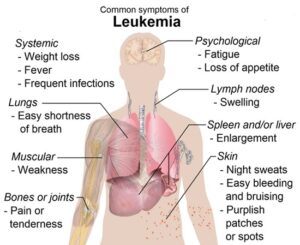
Leukemia is a cancer of the body’s blood-forming tissues, including the bone marrow and the lymphatic system. There are many types of leukemia. Some forms are more common in children, while others occur primarily in adults.
Leukemia usually involves white blood cells. White blood cells are powerful fighters against infection. They typically grow and divide in an orderly way, as your body needs them. However, in people with leukemia, the bone marrow produces too many abnormal white blood cells that don’t function properly.
Liver cancer is a type of cancer that begins in the cells of your liver. Your liver is a football-sized organ located in the upper right portion of your abdomen, beneath your diaphragm. Several types of cancer can develop in the liver:
◦ Hepatocellular carcinoma (HCC) is the most common primary liver cancer.
◦ Intrahepatic cholangiocarcinoma is rare.
◦ Hepatoblastoma is also rare.
Cancer that spreads to the liver is more common than cancer that originates in the liver cells. Cancer that starts in another area of the body, such as the colon, lung, or breast, and then spreads to the liver is called metastatic cancer rather than liver cancer. This type of cancer is named after the organ in which it began, such as metastatic colon cancer.
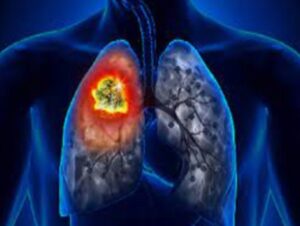
Lung cancer is a type of cancer that begins in the lungs. Your lungs are two spongy organs in your chest that take in oxygen when you inhale and release carbon dioxide when you exhale. Lung cancer is the leading cause of cancer deaths worldwide.
People who smoke have the highest risk of developing lung cancer, although it can also occur in non-smokers. The risk of lung cancer increases with the duration of smoking and the number of cigarettes smoked. Even after many years of smoking, you can significantly reduce your risk of developing lung cancer by quitting.
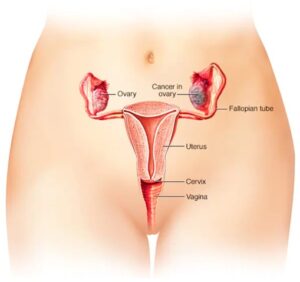
Ovarian cancer is the abnormal growth of cells in the ovaries. These cells multiply rapidly and can invade and destroy healthy tissue. The female reproductive system contains two ovaries, one on each side of the uterus. Each ovary, about the size of an almond, produces eggs (ova) and the hormones estrogen and progesterone.
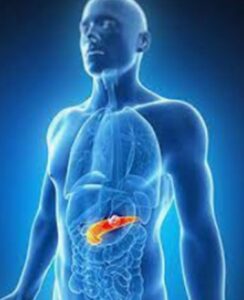
Pancreatic cancer begins in the pancreas, an organ located behind the lower part of the stomach. The pancreas releases enzymes that aid digestion and produces hormones that help regulate blood sugar. Several types of growth can occur in the pancreas, including cancerous and noncancerous tumors. The most common type of pancreatic cancer arises from the cells that line the ducts carrying digestive enzymes out of the pancreas (pancreatic ductal adenocarcinoma).
Pancreatic cancer is rarely detected in its early stages, when it is most curable, because it often does not cause symptoms until after it has spread to other organs.
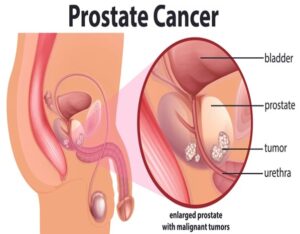
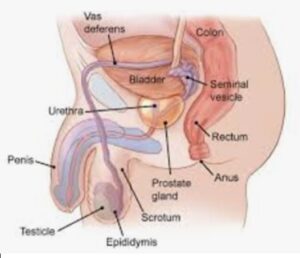
Prostate cancer is a type of cancer that occurs in the prostate, a small, walnut-shaped gland in males that produces seminal fluid, which nourishes and transports sperm. It is one of the most common types of cancer. Many prostate cancers grow slowly and remain confined to the prostate gland, which may not cause serious harm. However, while some types of prostate cancer grow slowly and may require minimal or no treatment, others are aggressive and can spread quickly. When prostate cancer is detected early, while it is still confined to the prostate gland, it has the best chance of successful treatment.
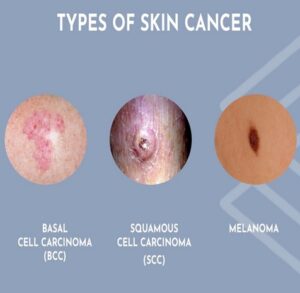
Skin cancer, an abnormal growth of skin cells, most often develops in areas of the skin exposed to the sun. However, this common form of cancer can also occur in areas of the skin that are not typically exposed to sunlight. There are three major types of skin cancer:
Basal-cell carcinoma (BCC) grows slowly and may damage surrounding tissue, but it is unlikely to spread to distant areas or cause death. It often presents as a painless, raised area of skin that may be shiny, with tiny blood vessels beneath it, or as a raised, ulcerated lesion.
Squamous cell carcinoma (SCC) is more likely to spread. It typically appears as a hard, scaly lump but may also develop into an ulcer.
Melanomas are the most aggressive type of skin cancer. Signs include a mole that has changed in size, shape, and color; has irregular edges; shows more than one color; is itchy; or bleeds.
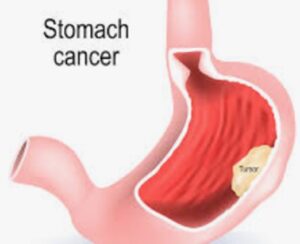
Stomach cancer is an abnormal growth of cells that begins in the stomach. The stomach is a muscular sac in the upper middle of your abdomen, just below your ribs. It receives and holds the food you eat and helps break it down and digest it.
Stomach cancer, also known as gastric cancer, can affect any part of the stomach. However, in most parts of the world, stomach cancers develop in the central part of the stomach (the stomach body).
Stomach cancer is more likely to affect the area where the long tube (esophagus) that carries the food you swallow meets the stomach. This area is called the gastroesophageal junction.
Testicular cancer occurs in the testicles (testes), which are located in the scrotum, a loose pouch of skin beneath the penis. The testicles produce male sex hormones and sperm for reproduction. Compared with other types of cancer, testicular cancer is rare. However, it is the most common cancer among American males ages fifteen to thirty-five.
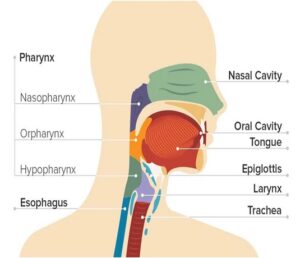
Throat cancer is a type of cancer that affects the voice box, vocal cords, and other parts of the throat, including the tonsils and oropharynx. It is relatively uncommon compared with other cancers. Throat cancer is categorized into two groups:
Pharyngeal cancer, which develops in the pharynx, includes several types that affect the neck and throat, such as nasopharyngeal cancer (upper part of the throat), oropharyngeal cancer (middle part of the throat), and hypopharyngeal cancer (bottom part of the throat).
Laryngeal cancer develops in the larynx, your voice box.
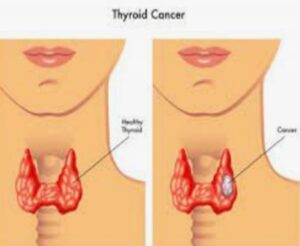
Thyroid cancer arises in the thyroid cells, a butterfly-shaped gland at the base of the neck, just below the Adam’s apple. Your thyroid produces hormones that regulate heart rate, blood pressure, body temperature, and weight.
Thyroid cancer may not produce any symptoms initially. However, as it progresses, it can cause pain and swelling in the neck.
There are several types of thyroid cancer. Some grow very slowly, while others can be quite aggressive.